When Spaces Help Healing
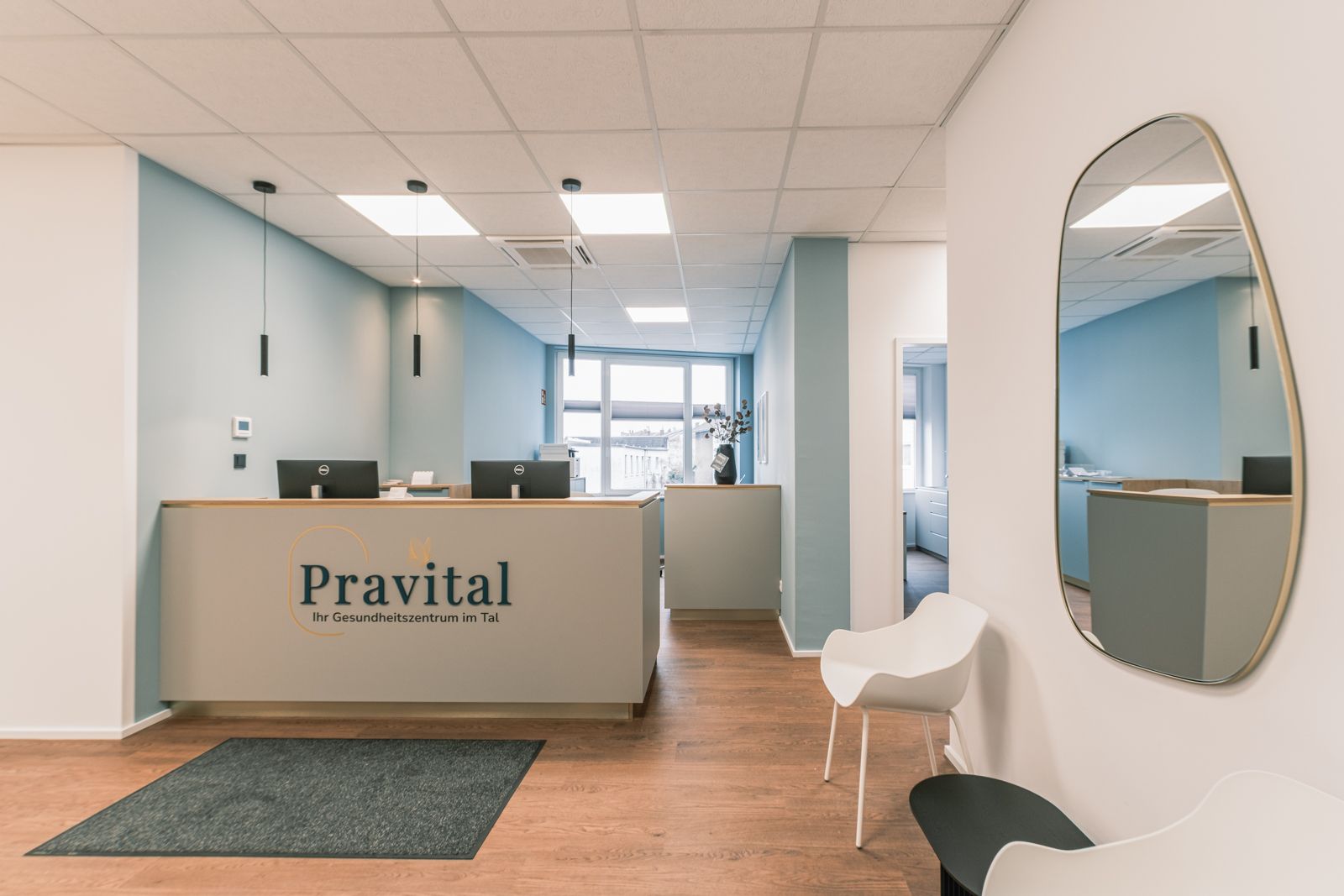
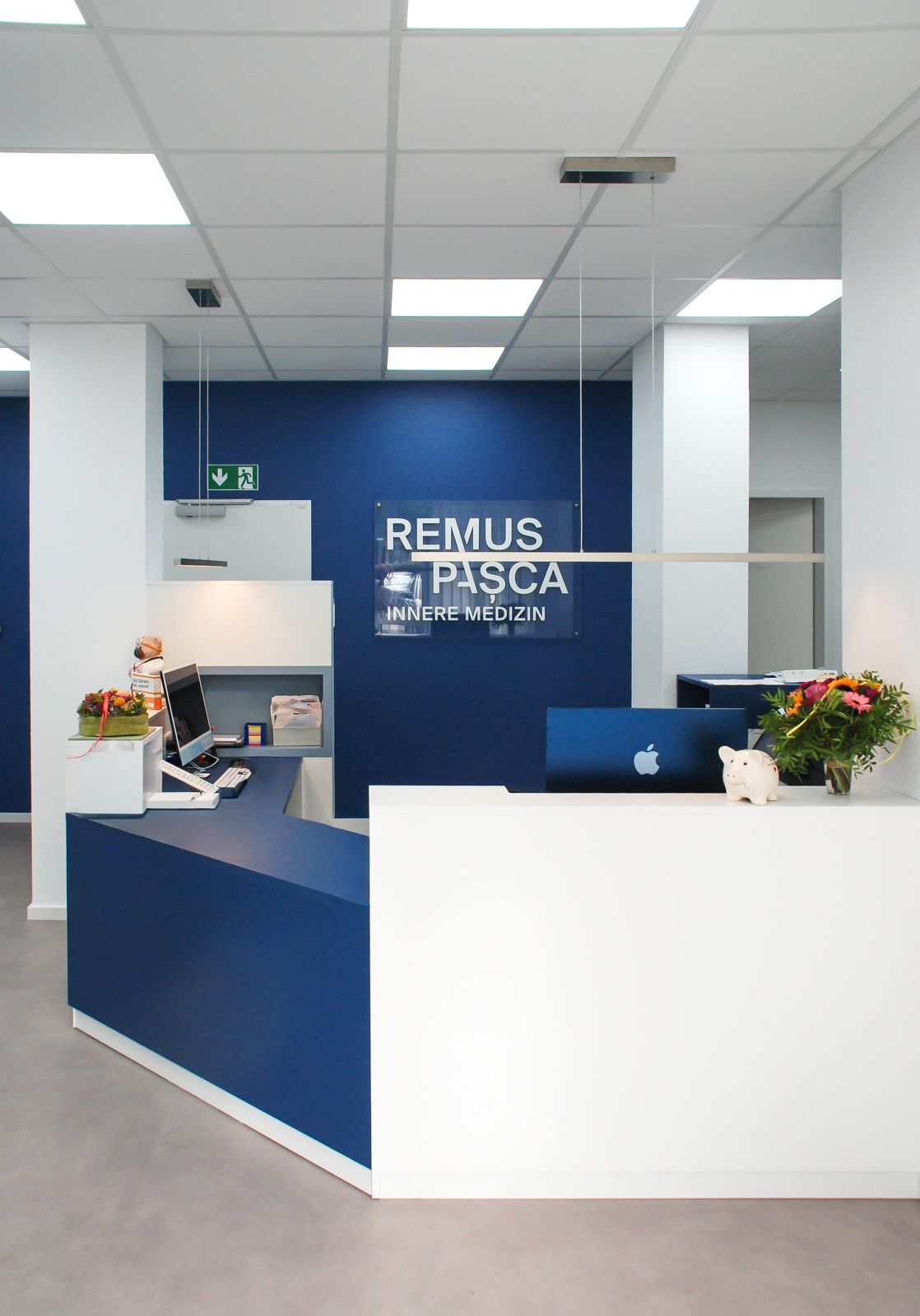
Today, a medical practice is far more than just a place for healthcare. It is a place of trust and an organizational hub at the same time — and often the first impression patients gain of a medical facility.
Practice owners are facing growing challenges: increasing patient numbers, more complex workflows, strict hygiene requirements, and the desire for an environment that conveys professionalism while also providing a sense of calm.
So how must practice spaces be designed to function medically while also feeling human?
Spaces Influence Perception — and Processes
Patients rarely enter a practice voluntarily.
This makes the impact of space even stronger: narrow corridors increase stress, poor acoustics reduce privacy, and unclear wayfinding creates uncertainty.
At the same time, spatial structure determines efficiency behind the scenes. Staff movement paths, the positioning of diagnostic equipment, and hygiene requirements must be precisely coordinated.
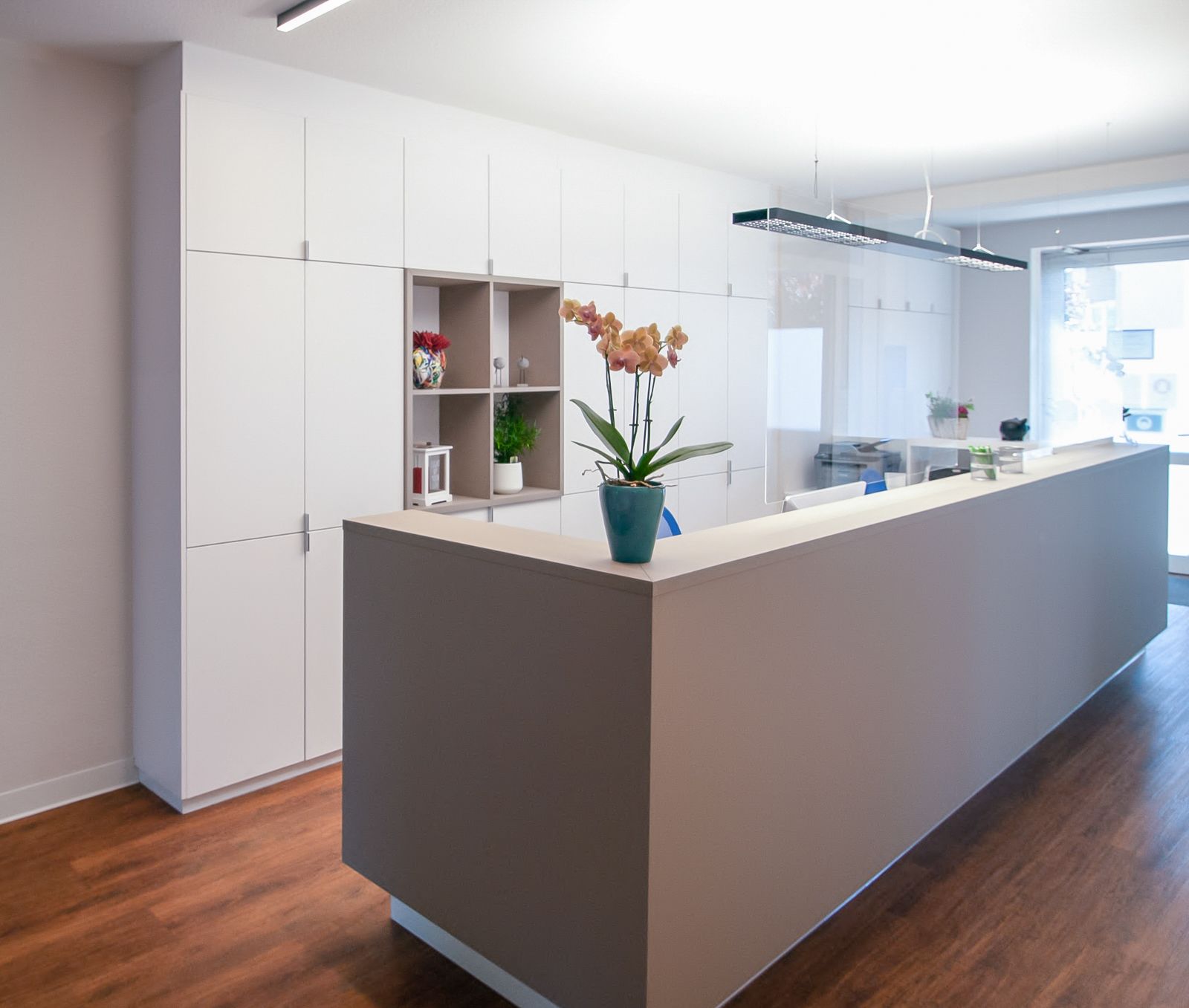
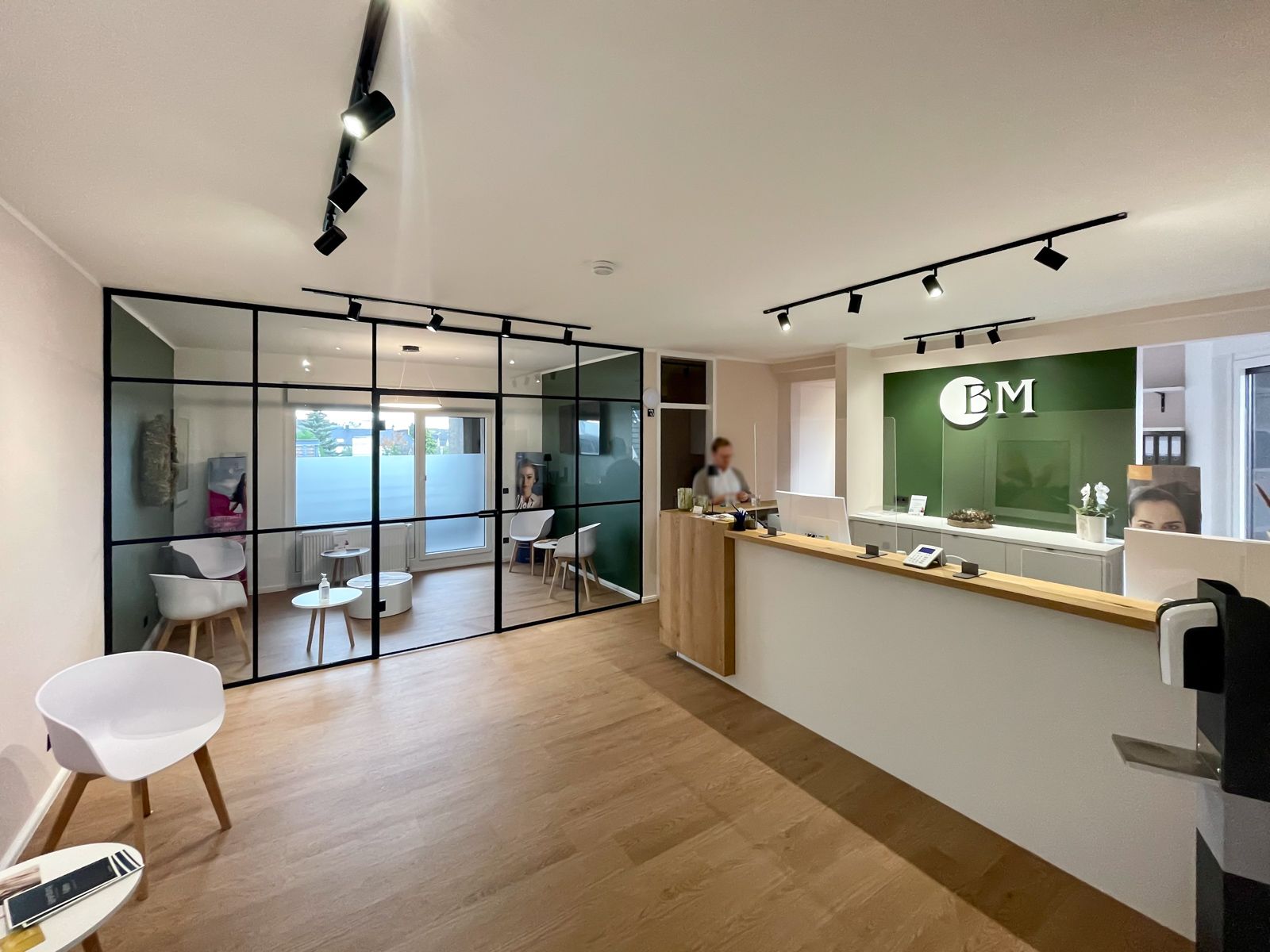
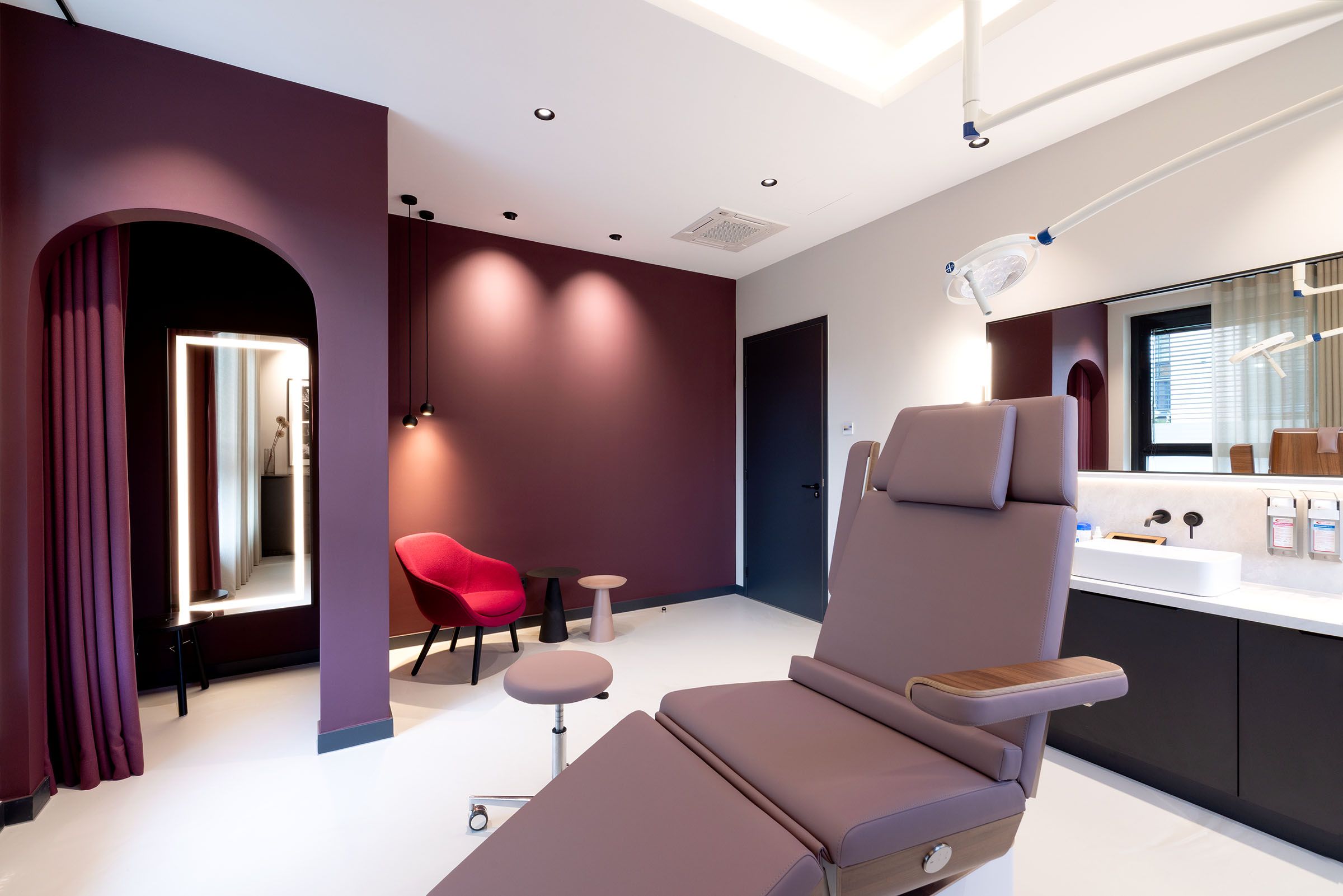
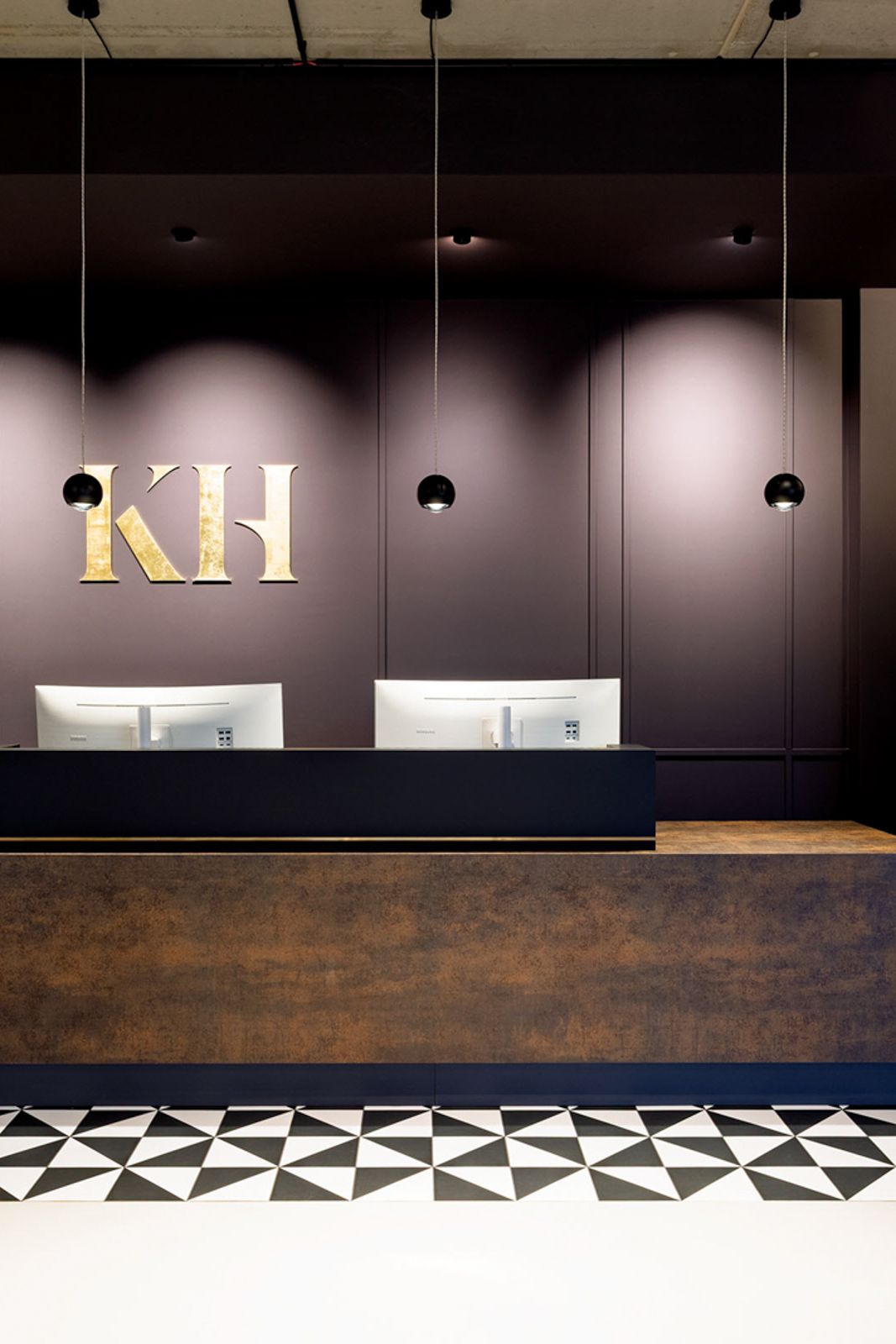
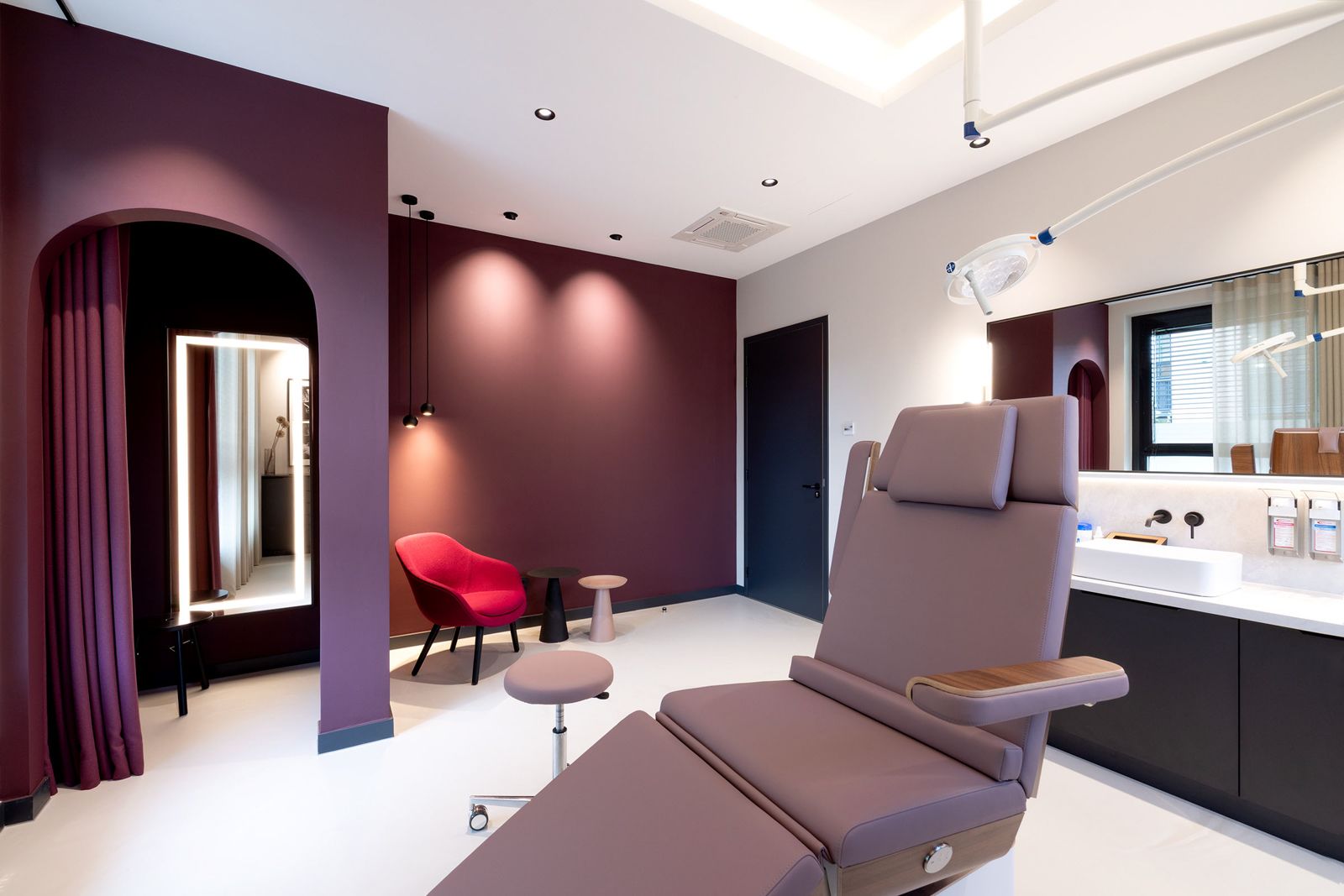
Thoughtful practice design therefore combines both: smooth workflows for the team and an atmosphere that fosters trust and orientation. Our projects show how differently this balance can be achieved. In a private dermatology practice in Hamburg, for example, traditional practice aesthetics were deliberately broken. Industrial architecture meets warm materials and a design more reminiscent of a hotel lobby — high-quality, calm, and patient-centered.
Different Specialties, Different Requirements
Every practice follows its own spatial logic.
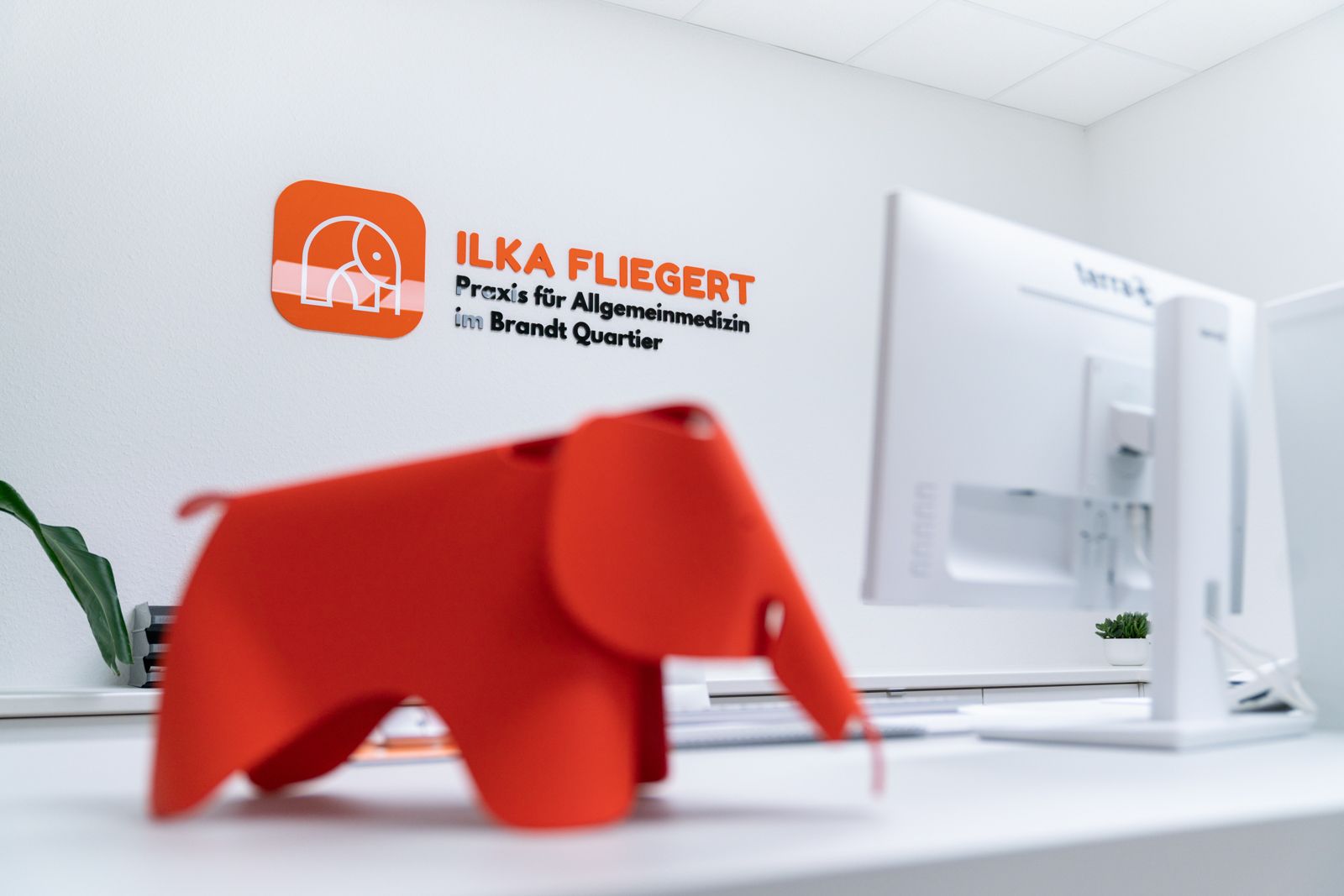
General practitioners need clear structures for high patient turnover.
Specialist centers require complex functional areas for diagnostics.
Therapy practices need open movement spaces and a motivating atmosphere.
Pediatric practices combine orientation with playful lightness.
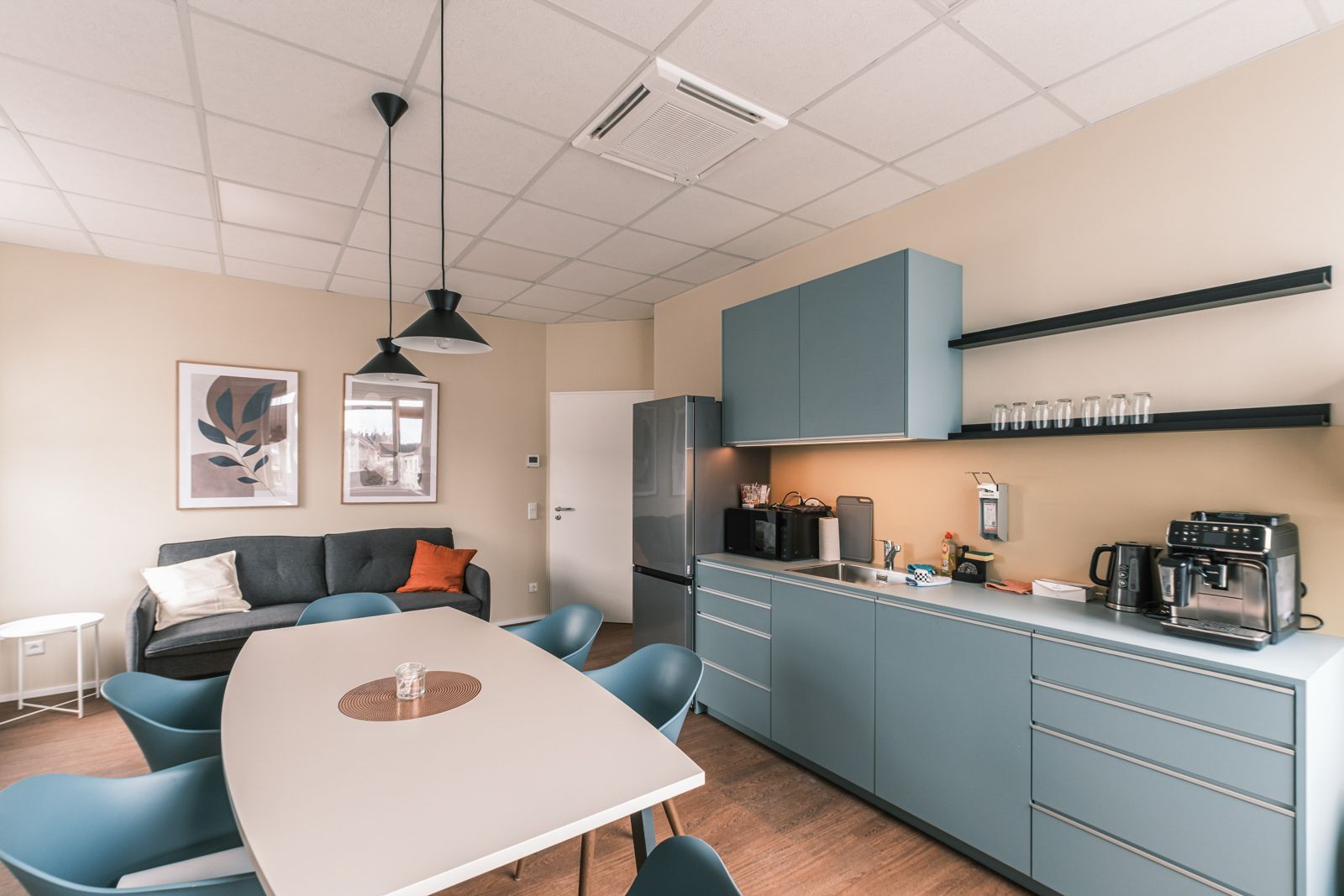
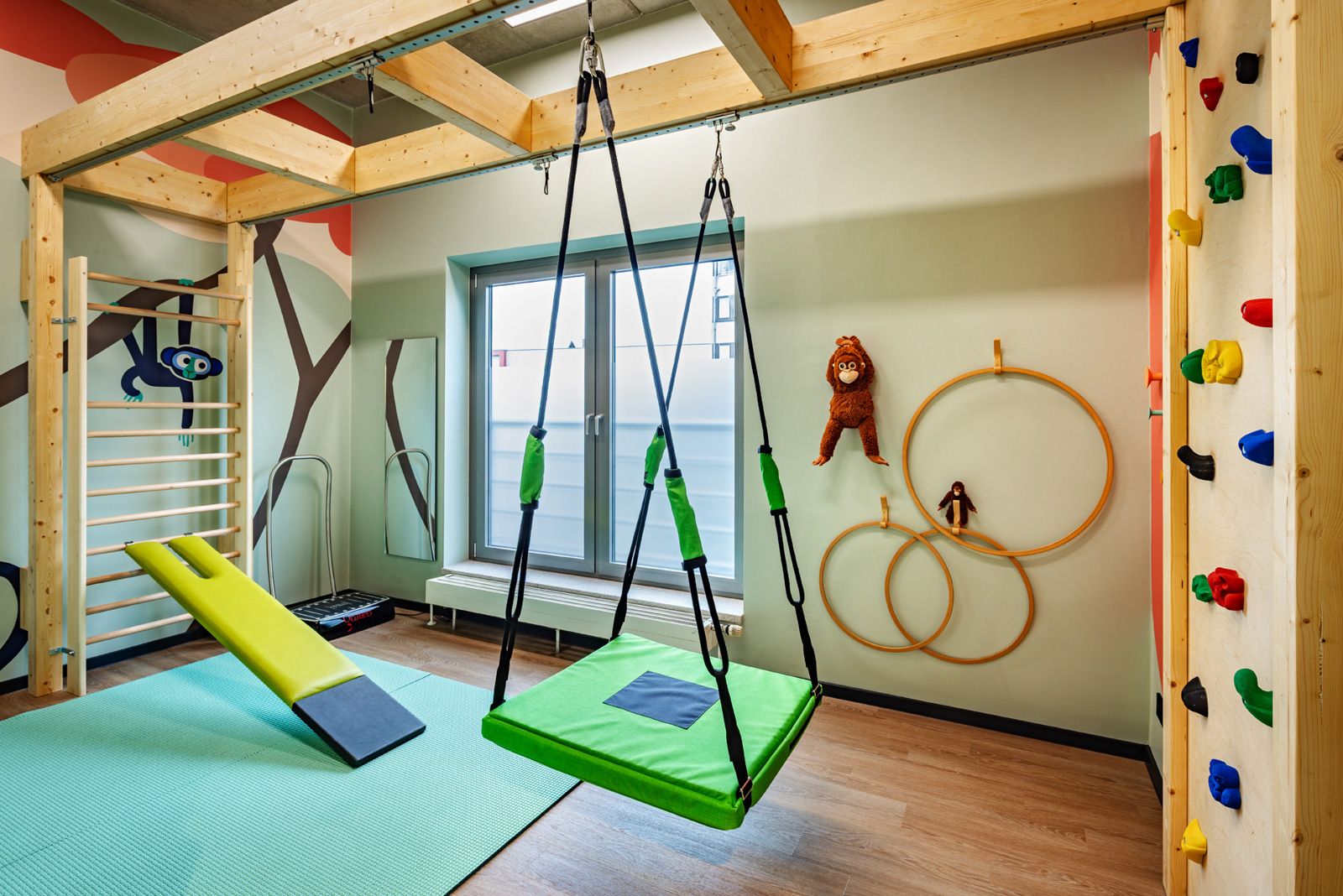
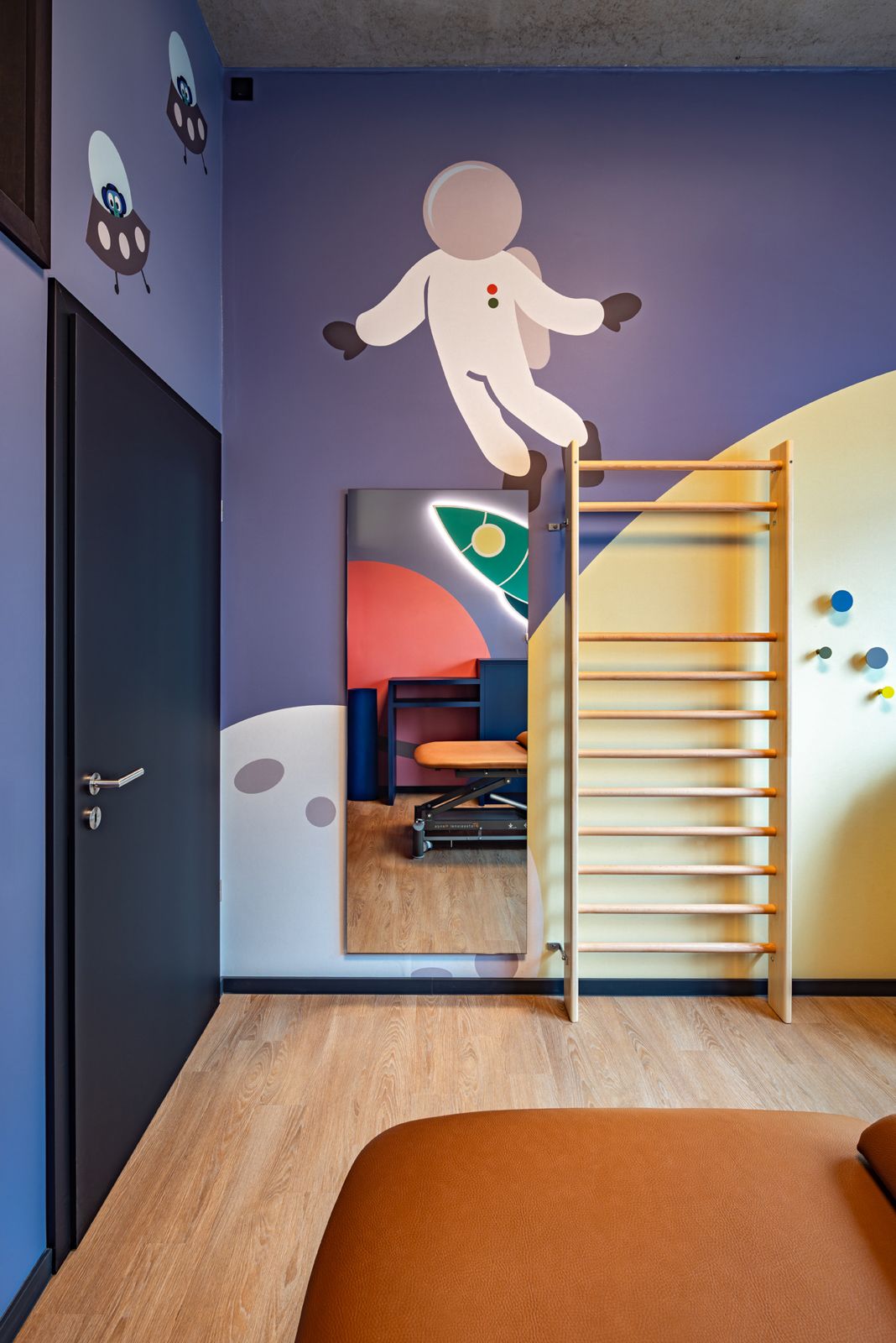
For example, a physiotherapy practice in Datteln was designed with a separate children’s area that combines therapeutic requirements with an environment that conveys safety and encourages motivation.
Regardless of specialty, three factors are becoming increasingly important:
Atmosphere — colors, materials, and light influence the sense of security
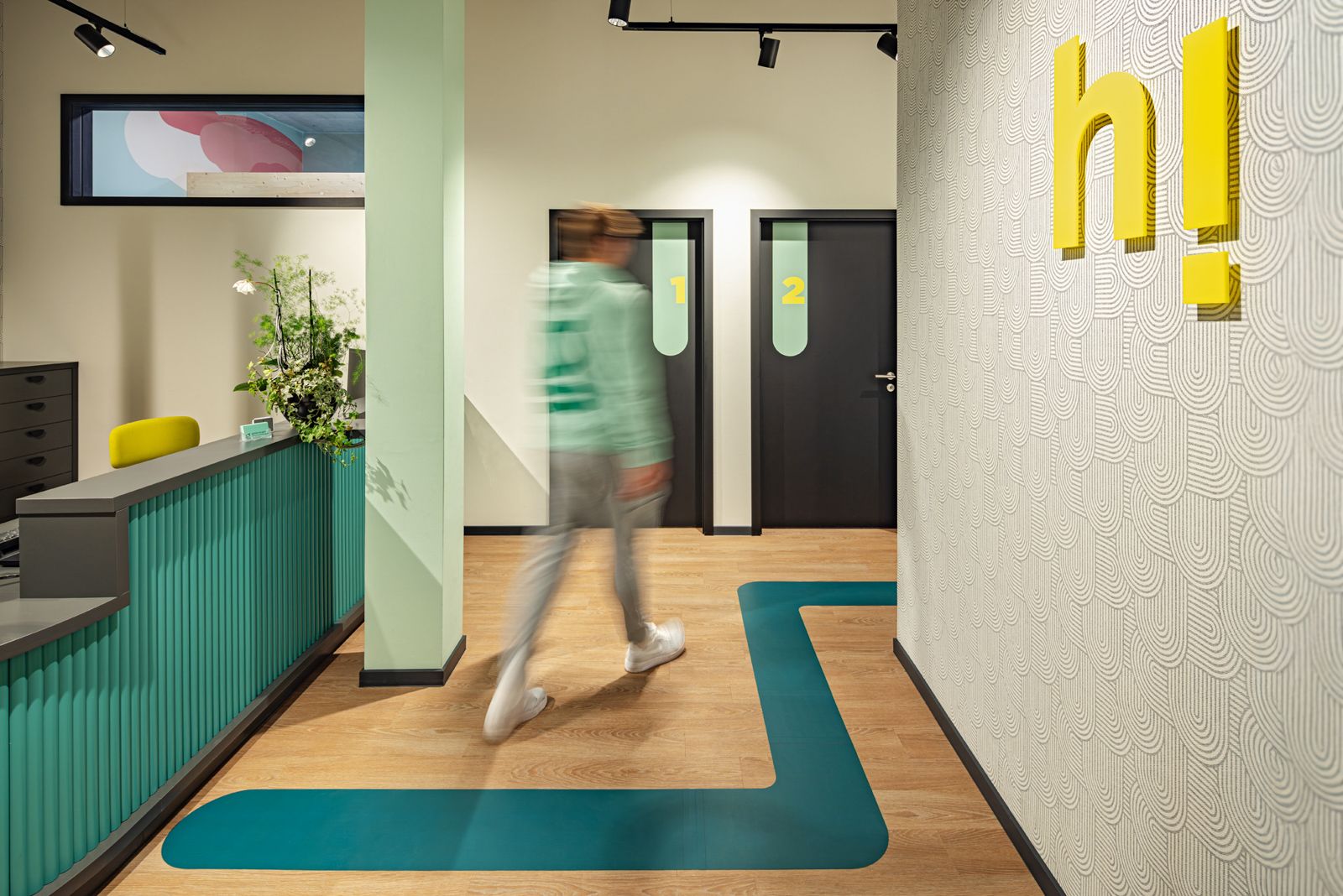
Orientation — intuitive wayfinding reduces stress and waiting times
Privacy — acoustics and sightlines protect confidentiality
Structure Instead of Improvisation — Making Practice Projects Predictable
Medical renovations are among the most demanding construction tasks. Ongoing operations, technical requirements, and sensitive schedules leave little room for unexpected delays.
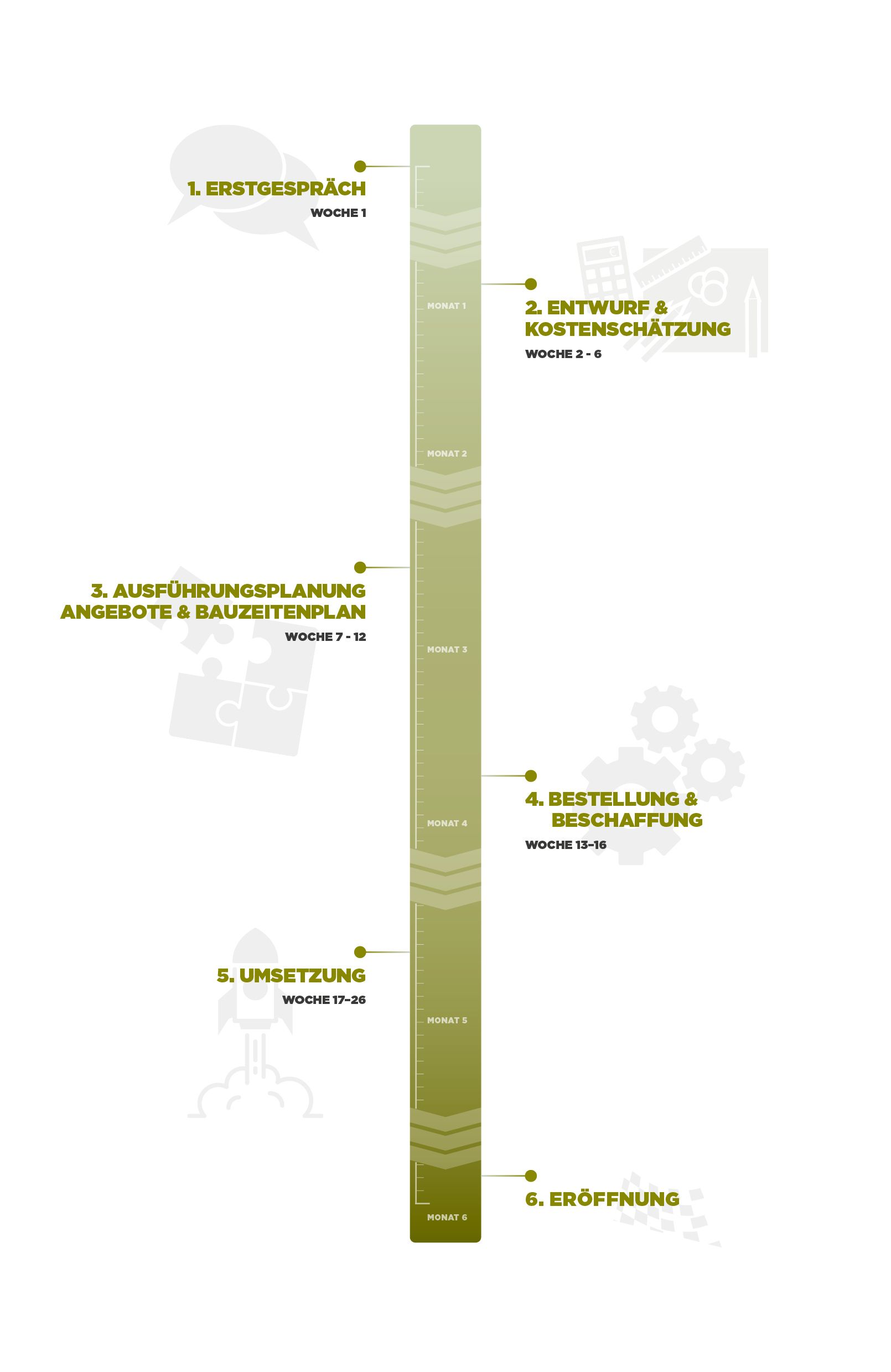
A clearly structured project process - from the initial idea to opening - provides security.
Analysis & Consultation
On-site evaluation of spatial structure, feasibility, and organizational requirements.
Concept & Design
Space concepts, floor plans, and visualizations make new solutions tangible early on. Transparent cost estimates ensure planning reliability.
Detailed Planning & Coordination
Technical systems, furnishings, lighting, and materials are carefully coordinated. Construction schedules are structured to minimize disruptions.
Implementation & Fit-Out
Interior construction, furniture production, and installation are centrally managed — either fully or in modular service components.
The sensitivity of this phase became clear during the modernization of a general practice in Marl: the renovation was completed during a three-week closure over the summer holidays — precisely planned to minimize impact on patients.

An Investment in Processes, People, and the Future
Redesigning a practice is a business decision with long-term impact. Well-planned spaces improve workflows, ensure hygienic processes, and create an environment in which both staff and patients feel comfortable.
Practice design is therefore more than an aesthetic measure — it is part of modern treatment culture.
Vivamo develops practice spaces that enable exactly this interplay — functionally well thought out, atmospherically balanced, and precisely tailored to their users.